What these toy types look like
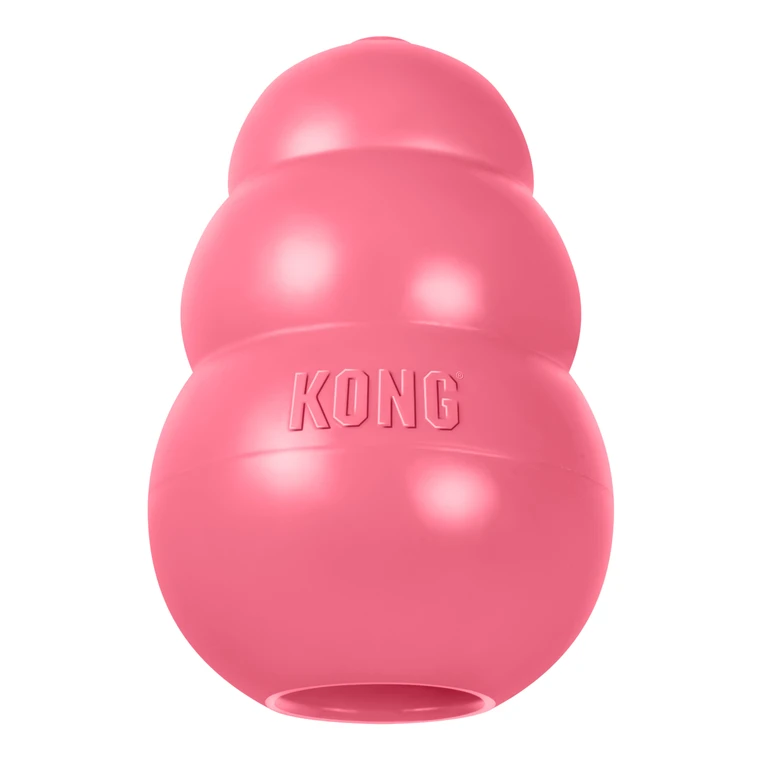
KONG Puppy
A hollow puppy-rubber toy that can hold food. KONG offers several sizes; use the puppy version’s age and sizing guidance.
Sizing and use at KONG Photo: KONG
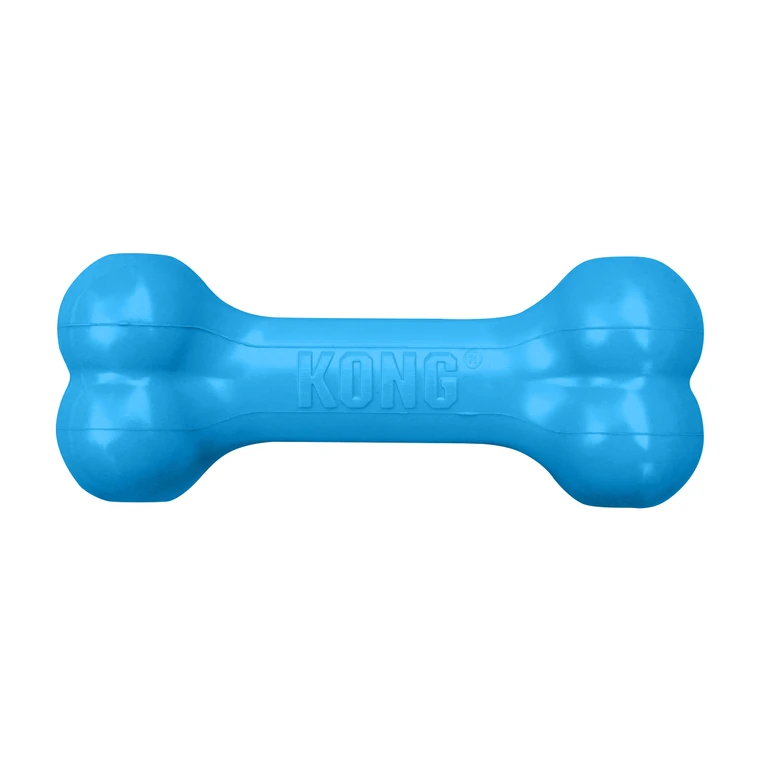
KONG Puppy Goodie Bone
A different puppy-rubber shape with treat openings. Check the exact size and KONG’s guidance for your puppy’s chewing stage.
Sizing and use at KONG Photo: KONG
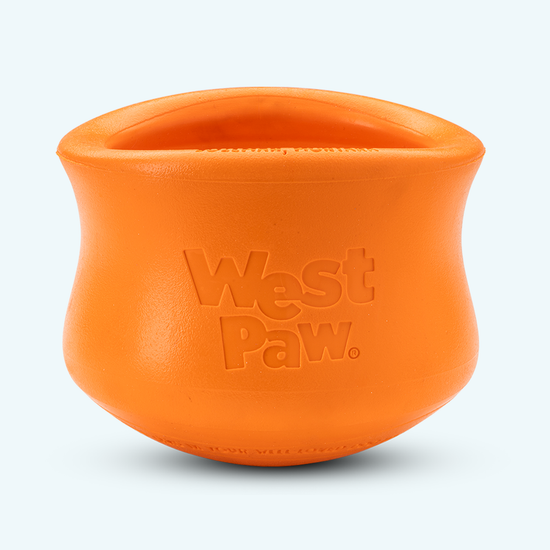
West Paw Toppl
An open food toy for enrichment. West Paw lists it for moderate chewers; it serves a different purpose from a dedicated teething chew.
Sizing and use at West Paw Photo: West Paw
Manufacturer photos show examples for comparison, not a ranking. Check the exact product’s age, size, chewing, and supervision instructions before choosing.
A bigger toy pile may leave the same question unanswered
Your puppy has several toys and still heads for your sleeve. Buying another highly recommended chew feels like the next step, but the useful question is why the current options are not working for this dog.
In a May 2026 discussion about teething, an owner describes trying many toy types while their puppy keeps returning to hands and furniture. That account helps frame the problem. The products suggested in replies have not been tested by us or established as suitable for your puppy.
Look at size, texture, how the toy is presented, and whether the puppy wants a different kind of interaction. This guide helps narrow a purchase; it cannot determine whether chewing or mouth discomfort has a medical cause.
Four checks before a toy goes in your basket
- Read the exact version’s guidance. Check age, weight or size range, intended activity, and supervision. A brand may sell several materials and sizes under similar names.
- Check the whole toy and its parts. Consider whether your puppy could swallow it or detach a smaller piece. Recheck fit as they grow.
- Consider the chewing surface. VCA’s teething guidance advises avoiding extremely hard objects such as bones and antlers, and choosing material with some give. Ask your vet if you are unsure about a particular chew.
- Plan to observe it in use. Watch the first sessions and check the toy afterward. A durability description does not remove the need for supervision.
A package label cannot tell you everything about your individual dog. A toy they gently mouth on one day may be used more forcefully later.
Match the toy to what you want to do together
| Purpose | What to look at | What still needs checking |
|---|---|---|
| Chewing | A puppy-appropriate chew toy with suitable size and some give. | Wear, detached pieces, and how your puppy actually chews it. |
| Licking or getting food out | A food toy with accessible openings and clear cleaning instructions. | Product suitability, food choice, and the amount included in the puppy’s feeding plan. |
| Play with you | A toy intended for the particular game and your puppy’s size. | Whether parts, fabric, or stuffing become accessible during play. |
| Comfort or carrying | A dog toy that suits how your puppy handles it. | A soft toy is not necessarily designed for sustained chewing. |
Choose one purpose you are missing rather than buying four versions of the same thing. You can also put an intact toy away between sessions and reintroduce it later. Novelty does not have to mean another purchase.
Try it while you can watch, then inspect it
Choose a time when you can pay attention. Offer the toy and see whether your puppy mouths it, bites pieces off, or loses interest. Stop using it if damage or their behavior makes it unsuitable.
The ASPCA’s chew guidance emphasizes matching products to the dog’s size and chewing habits, following directions, and actively observing use. Remove worn products before pieces can be consumed. Contact a veterinarian promptly if your dog swallows a chunk of chew material.
Look at the seams, ends, openings, and any loose components when checking a toy. Follow its cleaning instructions and replace it when it no longer meets them. There is no universal replacement interval: what happens to the particular toy matters more than its age.
If they still choose your hands, change more than the purchase
A toy is part of how you guide a puppy, not an automatic solution to every bite. Blue Cross’s mouthing guidance describes redirecting a puppy onto an appropriate toy. How you move and offer it can matter.
Look at the whole situation: what was happening just before the biting, whether the game became too exciting, and whether your puppy has opportunities for rest. Ask a qualified professional for help with a persistent or worrying pattern instead of continuing to order new chews.
Contact the clinic about pain, trouble eating, a damaged tooth, or anything in the mouth that concerns you. Do not assume every mouth-related problem is ordinary teething.
Questions worth answering before buying another toy
Does “for puppies” mean it will suit mine?
It is a starting point for reading the instructions. Check the intended size, material, activity, and your puppy’s actual use. A product name alone cannot establish suitability.
Should I freeze a toy?
Only use a product that way if its manufacturer permits it, with appropriate contents and supervision. Check the instructions for that exact model; a general recommendation online is not permission to freeze every toy.
Can I leave a toy with my puppy while I work?
Do not treat a new toy as a substitute for a care arrangement. Follow its supervision instructions and plan for someone to meet the puppy’s needs. Choosing a toy and planning time alone are separate decisions.
What is the best-value choice?
One suitable toy that fills a clear role is a better starting point than a multipack you cannot assess. Keep the packaging details so you can identify the same size and version if you decide to buy it again.